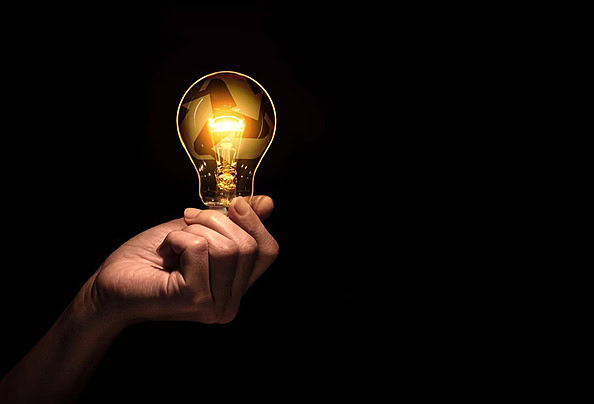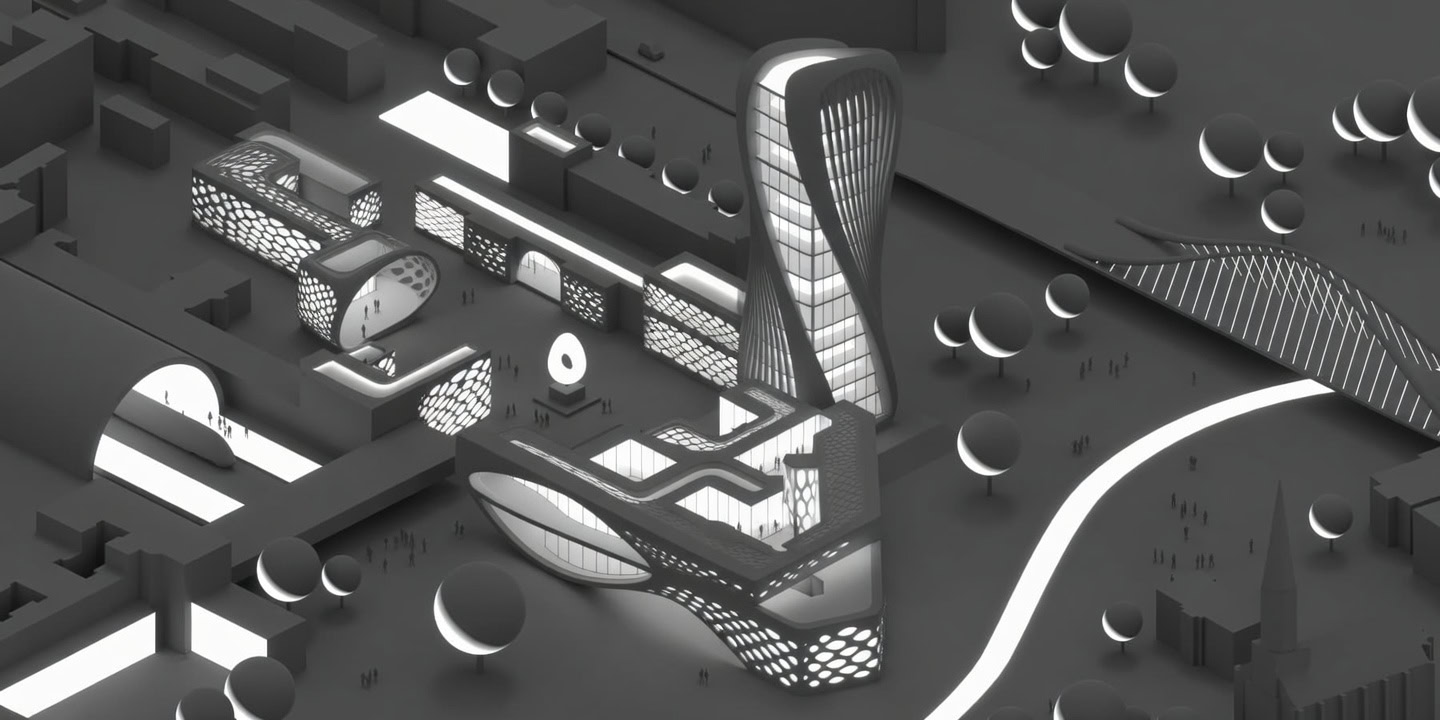
Lighting, also referred to as illumination, is the controlled use of light to make spaces visible, functional, and visually comfortable. It is a fundamental element in architecture, influencing how people perceive and interact with environments.
In practical terms, lighting is not only about brightness. Effective illumination considers how light is distributed, directed, and balanced within a space.
Definition of Lighting and Illumination
Lighting describes the application of light sources, including natural daylight and artificial systems.
Illumination refers to the resulting effect of light on surfaces and surroundings.
In modern lighting design, these terms are often used together to describe both the system and its visual outcome.
Purpose of Illumination
Well-designed illumination supports both function and aesthetics. Its main purposes include:
-
Ensuring visibility for daily activities
-
Improving safety in indoor and outdoor environments
-
Enhancing visual comfort by reducing glare
-
Highlighting architectural and landscape features
-
Supporting energy-efficient lighting systems
Without proper lighting, spaces may appear unclear, unsafe, or visually unbalanced.
Main Types of Lighting
Professional lighting design is typically structured in three layers:
General Lighting
Provides overall brightness and defines the spatial environment. It ensures uniform visibility across a space.
Task Lighting
Focuses on specific areas where activities take place, such as workstations, pathways, or stairs.
Accent Lighting
Highlights selected elements, such as architectural details, objects, or landscape features.
These three layers work together to create balanced illumination.
Key Elements of Effective Illumination
To achieve high-quality lighting, several factors must be considered:
-
Brightness (lux): Determines the level of light on a surface
-
Distribution: Ensures even lighting without dark zones
-
Glare control: Prevents visual discomfort
-
Color temperature: Influences atmosphere and perception
-
Efficiency: Reduces energy consumption with modern technology
A balanced combination of these elements results in comfortable and effective illumination.
Lighting in Modern Applications
Today, lighting is widely used in:
-
Architectural and façade lighting
-
Urban and street lighting
-
Landscape and outdoor environments
-
Commercial and retail spaces
With the development of LED technology, illumination can now be precisely controlled, making it both functional and expressive.
Conclusion
Lighting, or illumination, is a key component of modern design. It improves visibility, supports safety, and enhances the visual quality of spaces. By combining different lighting layers and design principles, effective illumination can transform both indoor and outdoor environments.
About Laclite Lighting
Laclite Lighting is an international brand specializing in architectural and outdoor LED lighting solutions. The company provides reliable luminaires for commercial, landscape, and urban projects, combining advanced technology with modern design to deliver efficient and high-performance lighting systems.