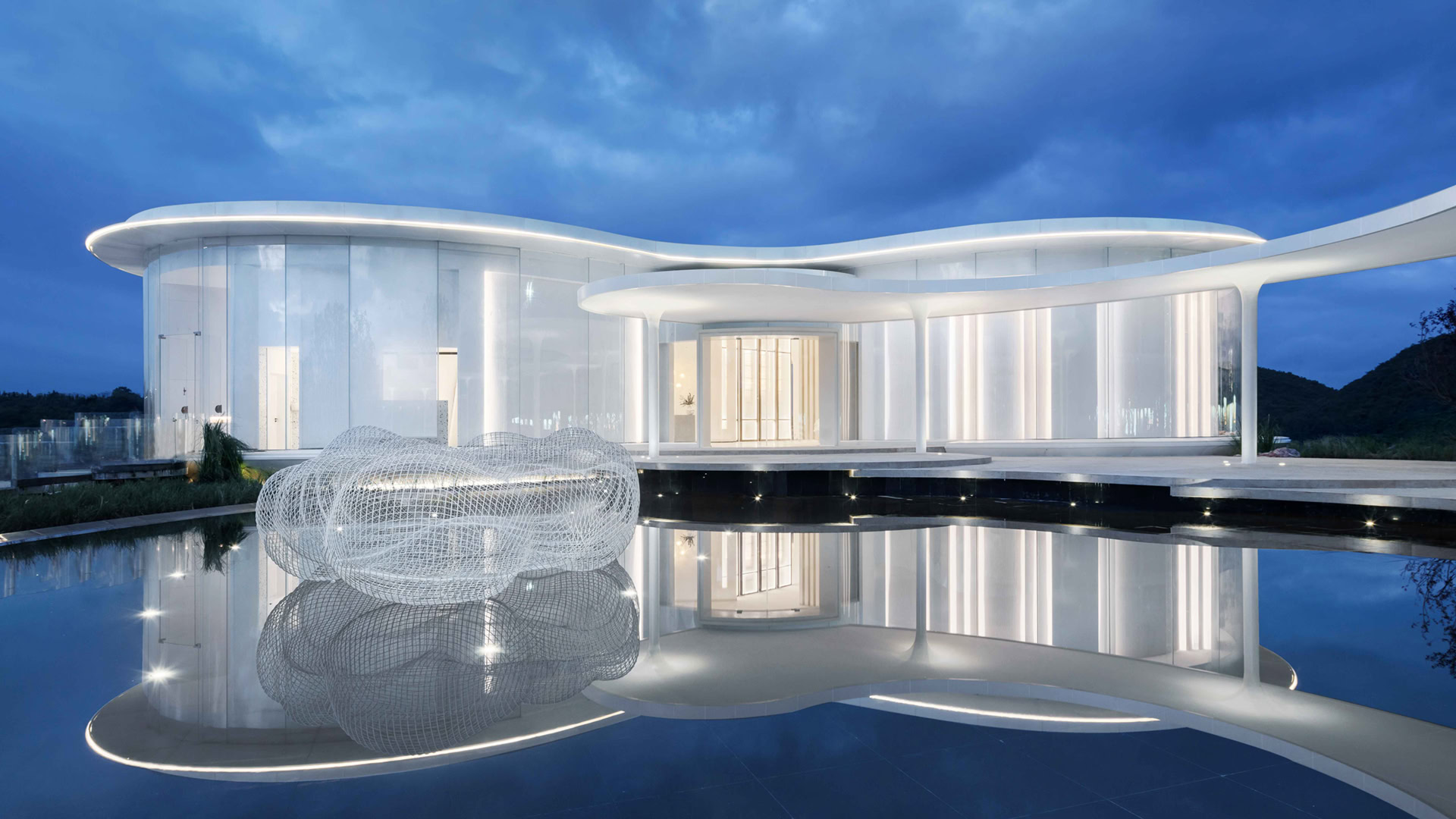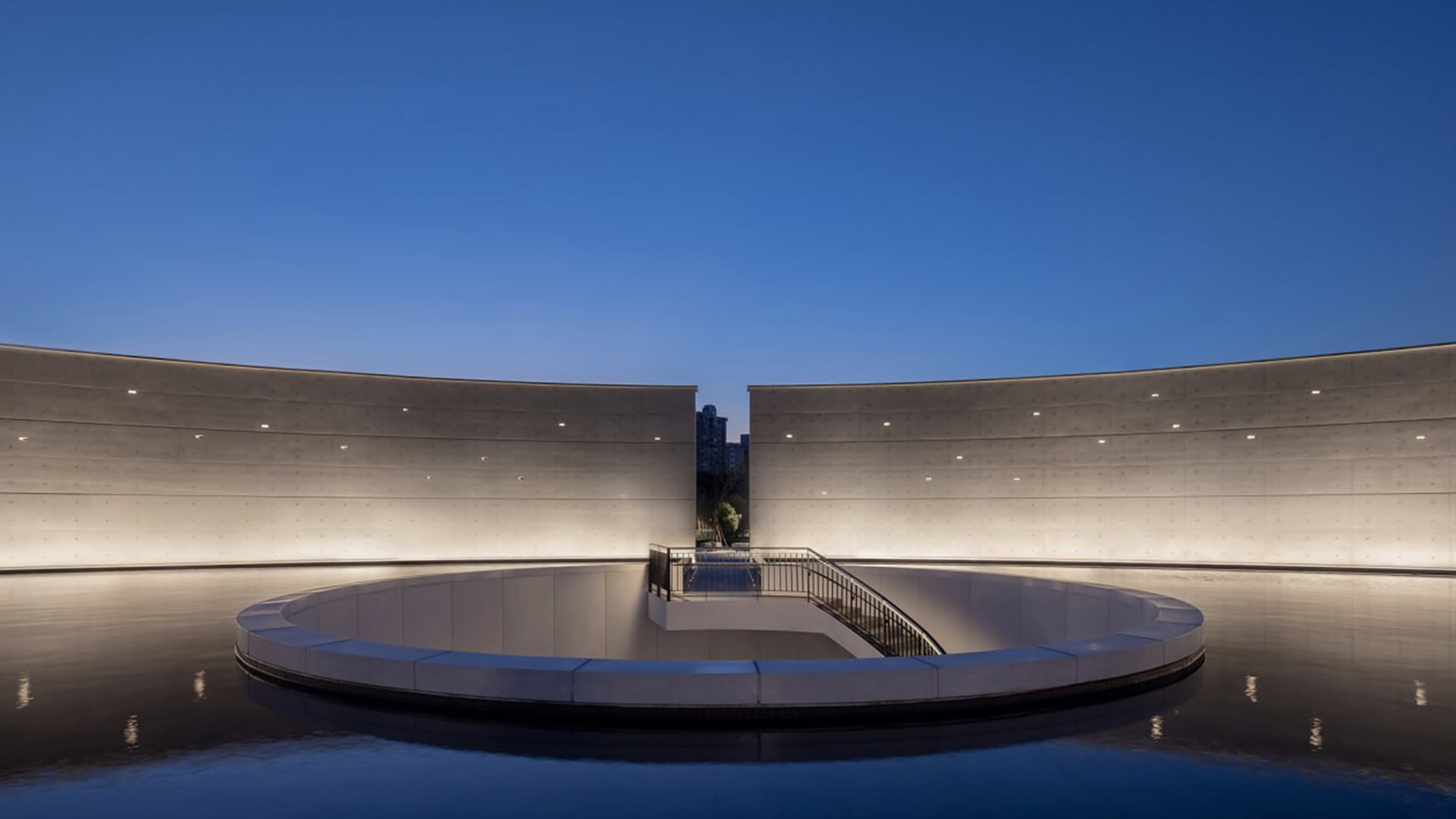
In professional lighting design, understanding different types of light is essential. The way light is distributed affects visibility, comfort, and the overall atmosphere of a space. Designers generally categorize lighting into three main types: unshielded light, shielded light, and directed light. Each type serves a different function and is widely used in architectural, indoor, and outdoor lighting projects.
Unshielded Light
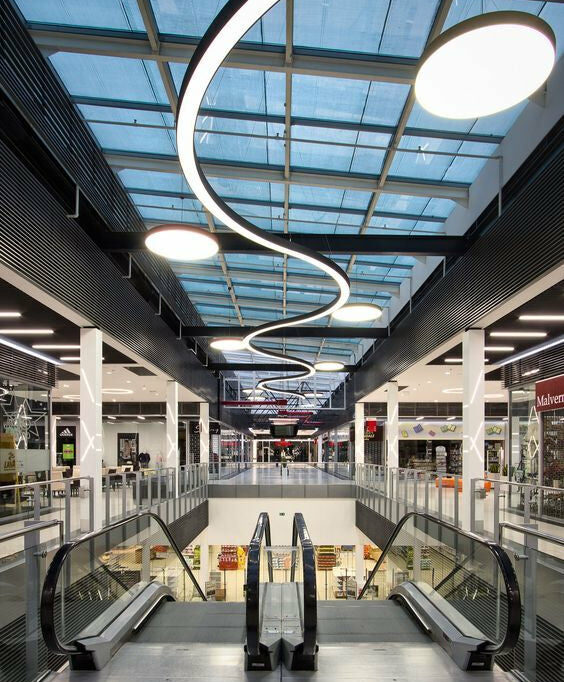
Unshielded light refers to light emitted directly from the light source and distributed freely in all directions. Because the light spreads widely, it can illuminate a space evenly and create a bright environment.
To make this type of light comfortable for human eyes, luminaires often include opal glass covers or diffusers made from special optical materials. These components soften the light and reduce glare. When the light output is strong, a larger diffuser surface is typically used to distribute the brightness more evenly.
Unshielded lighting is commonly used for general illumination, especially in spaces where uniform lighting is required. Examples include:
-
Living rooms
-
Office spaces
-
Retail environments
-
Public areas such as lobbies
When multiple luminaires with unshielded light are arranged strategically, they help define the dimensions of a room and improve spatial perception.
Shielded Light
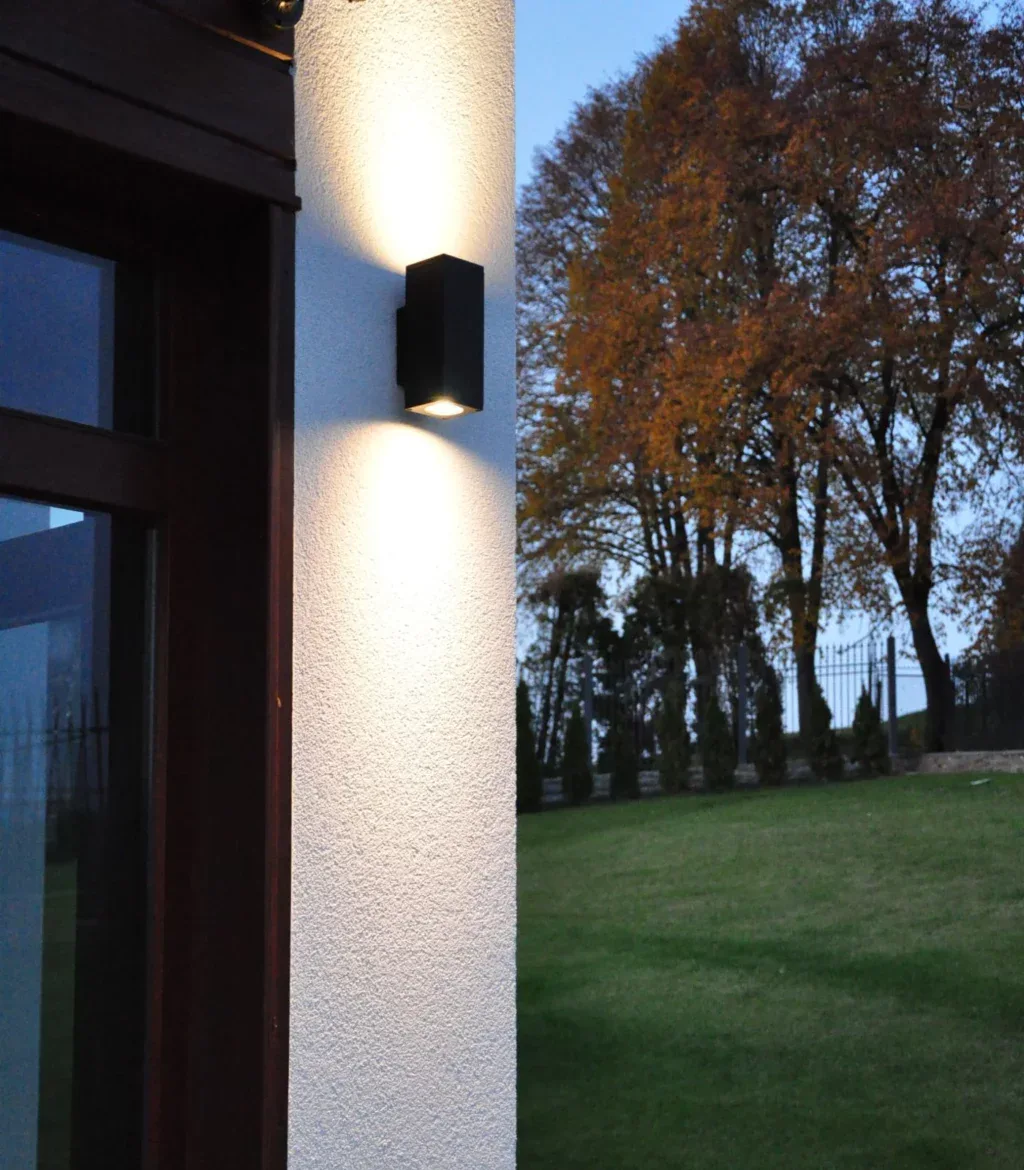
Shielded light is produced when part of the light source is covered or blocked by the luminaire structure. This design prevents light from shining directly into the eyes, creating a softer and more comfortable lighting experience.
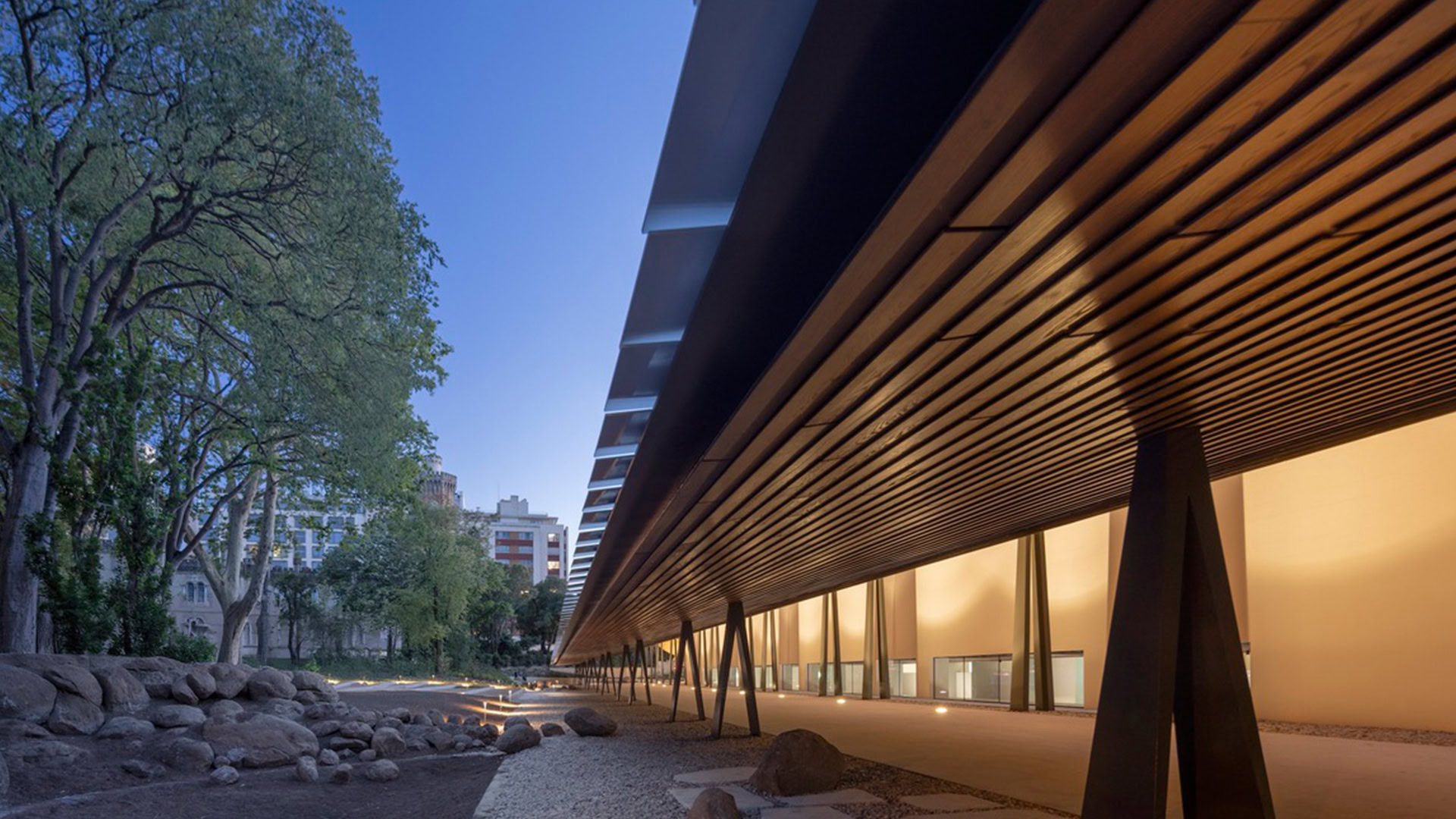
Shielded lighting is especially suitable for areas where visual comfort and ambiance are important. Wall-mounted fixtures often use this technique to produce indirect lighting effects. The luminaire body blocks part of the beam, while the remaining light forms attractive patterns or “light graphics” on walls or surfaces.
Typical applications include:
-
Building entrances
-
Hallways and corridors
-
Hotels and residential spaces
-
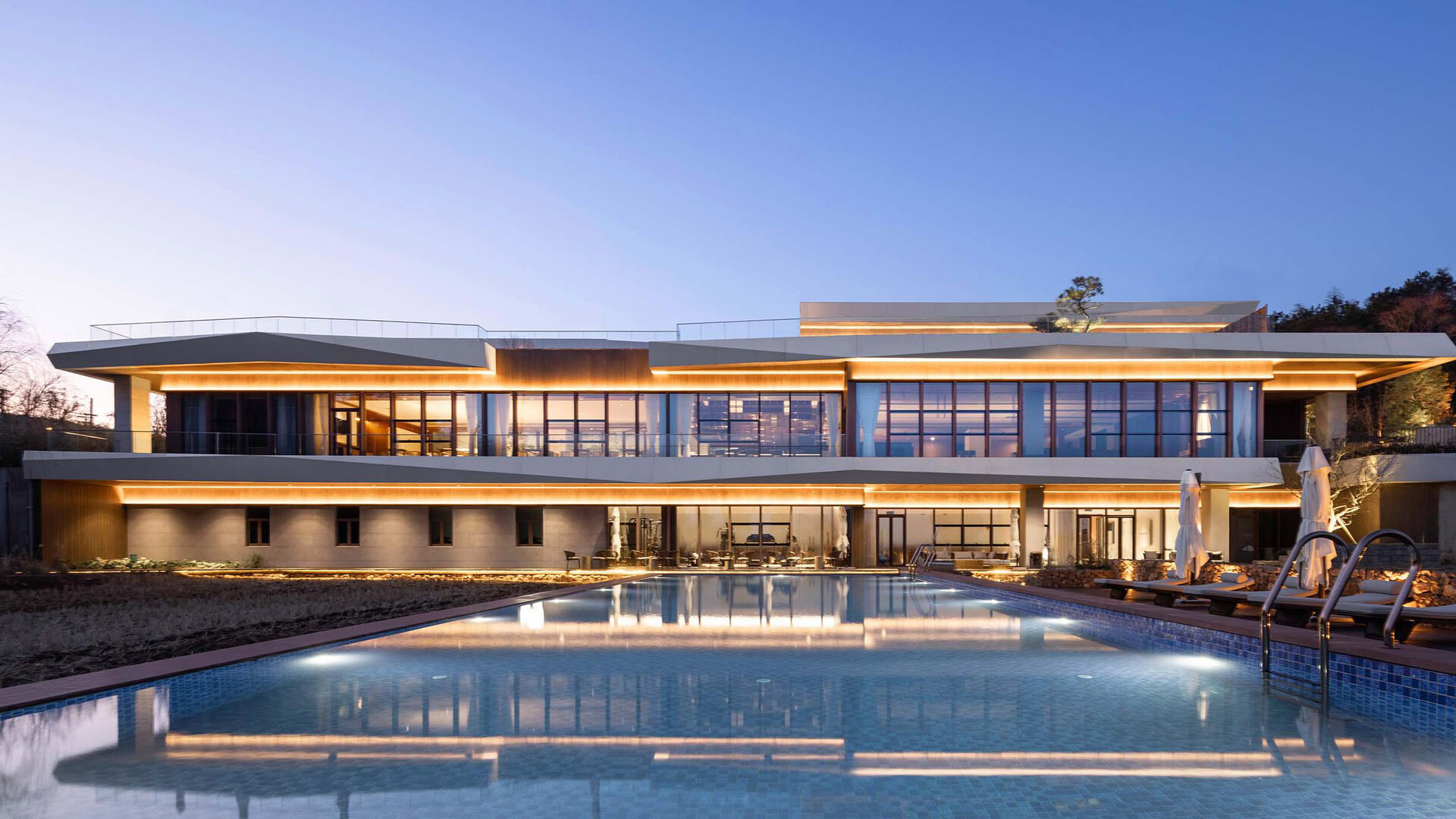
Decorative architectural lighting
Shielded light is often used to create lighting accents rather than full illumination, making spaces feel more elegant and visually interesting.
Directed Light
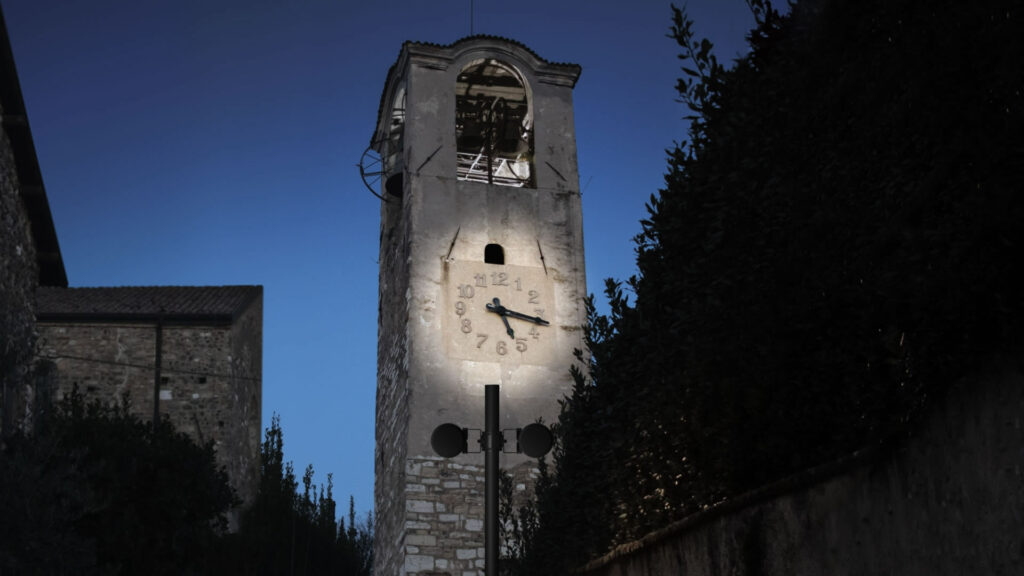
Directed light focuses illumination in a specific direction or onto a particular area. This type of light is commonly used when precise visibility or highlighting is required.
Luminaires designed for directed light usually include optical lenses, reflectors, or adjustable angles that guide the beam. Floodlights, spotlights, and streetlights are common examples.
Directed lighting is widely used in functional outdoor lighting, such as:
-
Street and roadway lighting
-
Pathway and landscape lighting
-
Stair and safety lighting
-
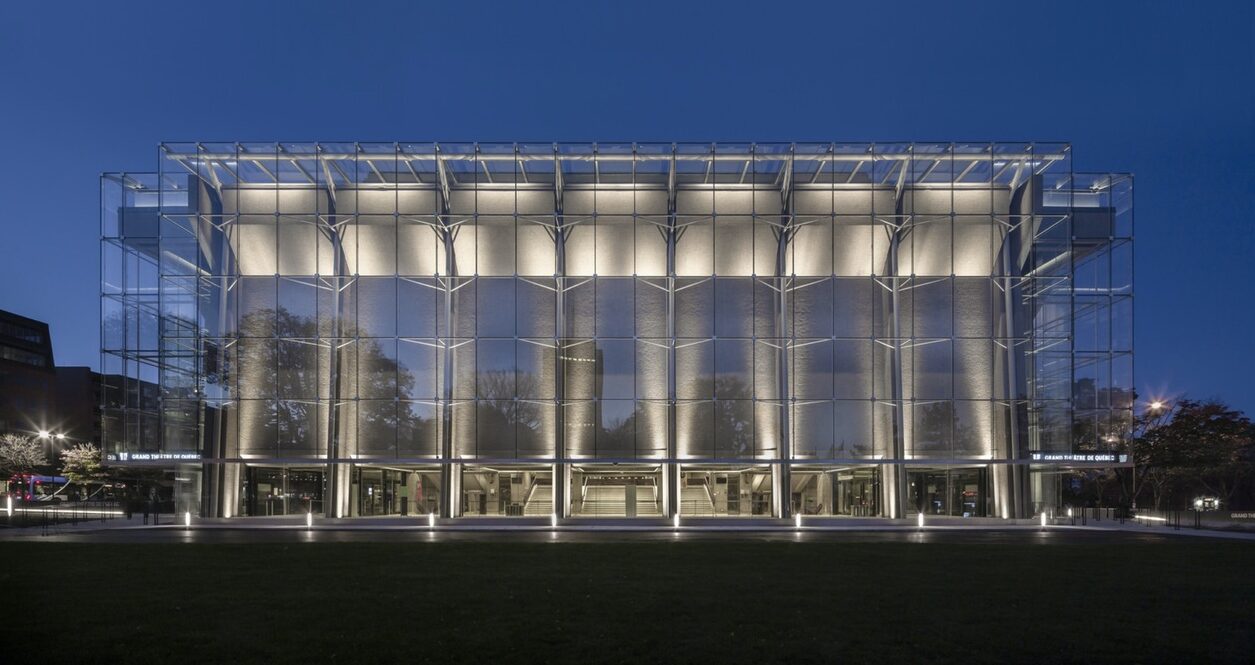
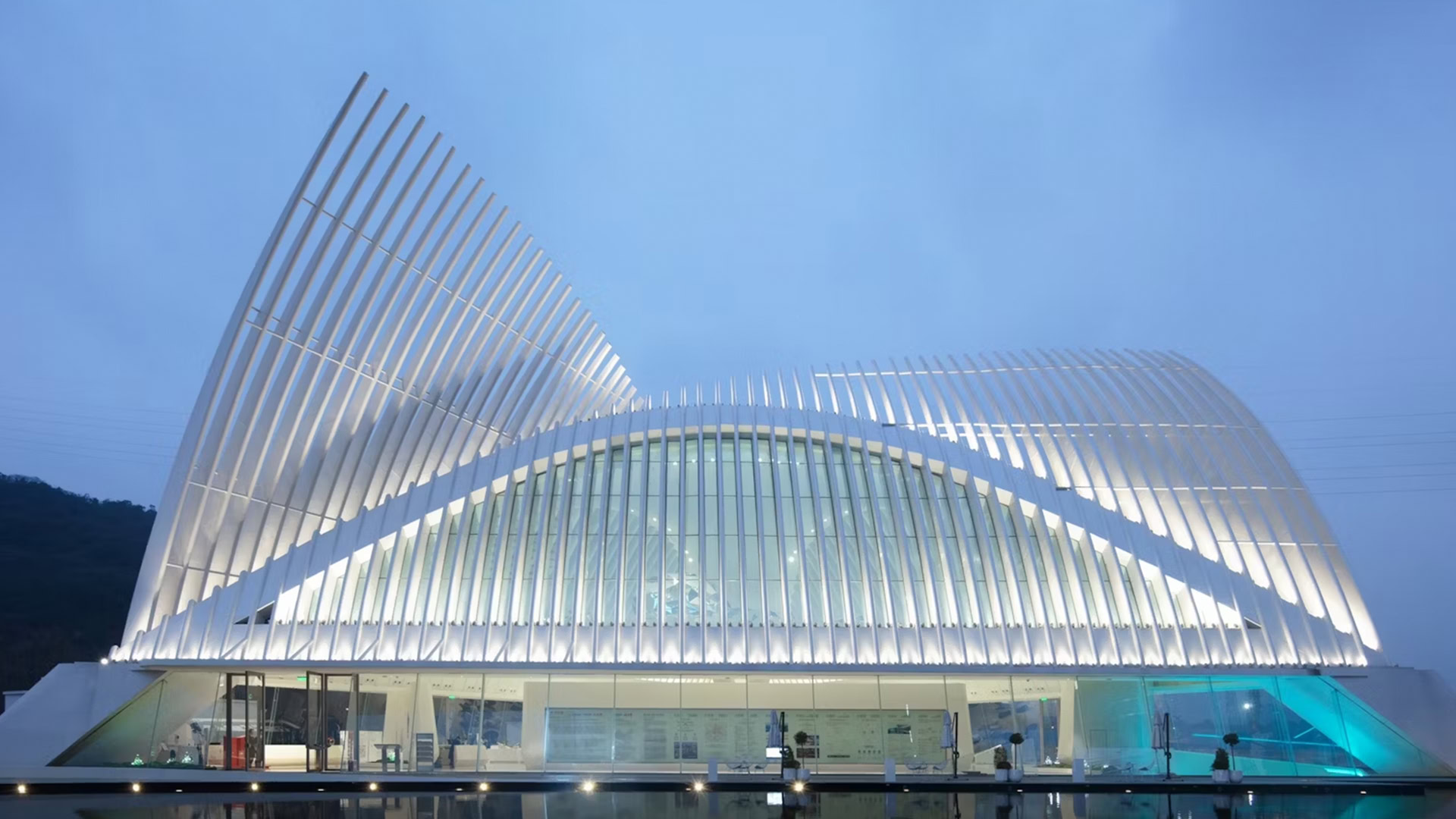
Building façade illumination
-
Security and area lighting
These fixtures can be mounted in different positions, such as on poles, walls, or ground installations, depending on the lighting purpose.
Conclusion
Understanding the differences between unshielded light, shielded light, and directed light allows lighting designers to create more effective lighting systems. By combining these three types strategically, it is possible to achieve the right balance between brightness, comfort, and visual impact.
Modern lighting projects—from residential interiors to large outdoor landscapes—often rely on a thoughtful mix of these lighting methods to deliver both functional and aesthetic results.
About Laclite
Laclite is an international lighting brand specializing in innovative architectural and outdoor lighting solutions. The company focuses on high-performance luminaires designed for commercial buildings, landscapes, urban spaces, and infrastructure projects. By combining modern design, reliable technology, and energy-efficient LED systems, Laclite provides lighting products that meet the needs of professional lighting designers and global engineering projects.